
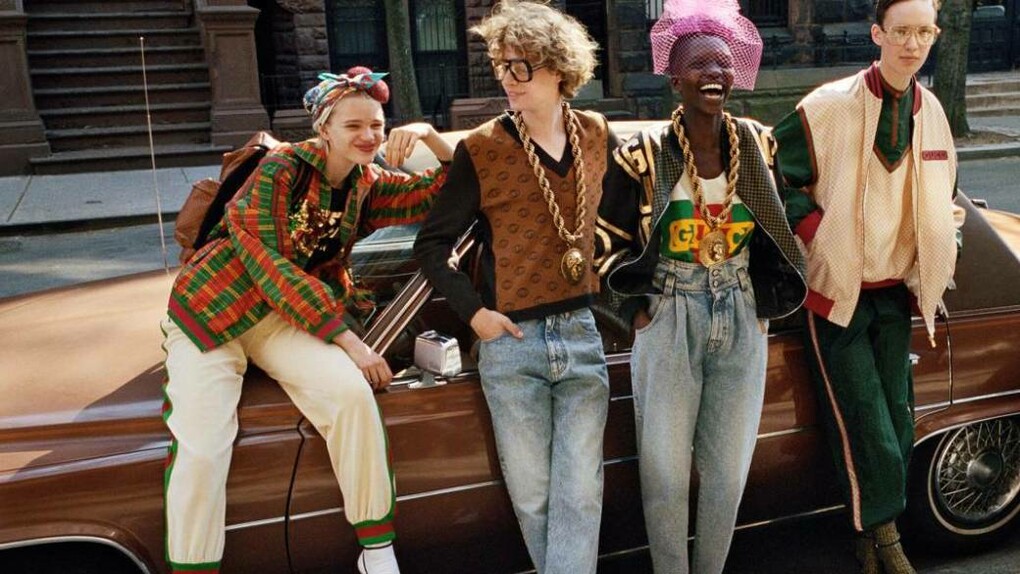

Streetwear has transformed from a niche subculture into a dominant global force that shapes how people dress, shop, and express identity. What began on city streets—driven by music, skateboarding, and youth rebellion—now influences luxury runways and billion-dollar collaborations. The journey of streetwear is not just about clothing; it reflects shifts in culture, power, and creativity.
Origins: Surf, Skate, and Hip-Hop Roots (1970s–1980s)
Streetwear’s early foundation can be traced to California surf culture in the late 1970s. Independent brands created graphic T-shirts and relaxed silhouettes that mirrored the laid-back attitude of beach communities. Around the same time, skateboarding culture embraced durable, oversized clothing designed for movement.
In New York City, hip-hop culture played a critical role. Artists and DJs turned athletic wear, sneakers, and bold logos into cultural statements. The look was expressive and often DIY—custom jackets, oversized gold chains, and branded tracksuits became symbols of identity.
Key elements of early streetwear included:
-
Graphic T-shirts with bold logos
-
Sneakers as status symbols
-
Loose silhouettes inspired by comfort and movement
-
DIY customization and limited production runs
The combination of West Coast skate energy and East Coast hip-hop flair laid the groundwork for what would become a global movement.
The Rise of Cult Brands (1990s)
The 1990s marked streetwear’s expansion beyond local scenes. Brands like Supreme, founded in 1994, blended skate culture with limited product drops. Their strategy created scarcity and community, turning releases into events.
Meanwhile, Japanese designers elevated streetwear with refined craftsmanship and bold graphics. Labels such as A Bathing Ape (BAPE) introduced camo prints, shark hoodies, and distinctive branding that attracted international attention.
During this era, several defining characteristics emerged:
-
Limited-edition drops
-
Strong brand identity and logo prominence
-
Community-driven marketing
-
Influence from underground music scenes
Streetwear began to build a resale market, signaling its shift from casual clothing to collectible culture.
Mainstream Breakthrough (2000s)
By the early 2000s, streetwear had moved from subculture to mainstream visibility. Hip-hop artists and celebrities amplified the aesthetic. Music videos and red carpet appearances showcased sneakers and oversized fits as aspirational fashion.
Collaborations became a powerful tool. Brands partnered with athletes, designers, and luxury houses, blurring lines between high fashion and street style. The idea that hoodies and sneakers could sit alongside tailored garments reshaped traditional fashion hierarchies.
Notable developments included:
-
Growth of sneaker culture and resale platforms
-
Artist-driven brands
-
Global expansion through online retail
-
Crossovers between sportswear and luxury
Streetwear was no longer regional—it was global and digitally connected.
Luxury Embrace and Cultural Shift (2010s)
The 2010s marked a pivotal moment when luxury fashion openly embraced streetwear aesthetics. Designers incorporated oversized silhouettes, bold graphics, and sneaker culture into runway collections.
One major turning point was the appointment of Virgil Abloh as artistic director of menswear at Louis Vuitton in 2018. His influence legitimized streetwear within traditional fashion institutions. Abloh’s approach emphasized collaboration, irony, and cultural commentary.
Streetwear also became deeply intertwined with:
-
Social media marketing
-
Influencer-driven trends
-
Sustainability conversations
-
Global youth identity
Brands began telling stories rather than simply selling products, and consumers responded to authenticity over prestige.
Streetwear Today: Digital, Diverse, and Disruptive
Modern streetwear thrives in a landscape shaped by technology and rapid trend cycles. Limited “drops” now sell out in minutes online. Resale platforms track product value like stock markets. Communities form through Instagram, TikTok, and Discord rather than physical stores alone.
Contemporary streetwear is defined by:
-
Gender-fluid designs
-
Sustainable materials and ethical production
-
Global cultural exchange
-
Blending of high fashion, sportswear, and techwear
What once symbolized rebellion is now a sophisticated ecosystem influencing art, music, and luxury retail alike.
Why Streetwear Endures
Streetwear remains relevant because it adapts. It absorbs influences from music, politics, sports, and technology. More importantly, it gives wearers a voice. A hoodie or pair of sneakers can signal belonging, creativity, or cultural awareness.
Its strength lies in:
-
Community-driven identity
-
Scarcity and exclusivity
-
Constant reinvention
-
Authentic storytelling
Streetwear’s evolution reflects a broader shift in fashion—from top-down authority to bottom-up cultural influence.
Frequently Asked Questions (FAQ)
1. How is streetwear different from traditional fashion?
Streetwear prioritizes cultural relevance, comfort, and limited releases, while traditional fashion historically followed seasonal runway collections and formal design structures.
2. Why are limited drops so important in streetwear?
Scarcity creates demand and exclusivity. Limited releases build hype and foster community engagement around product launches.
3. What role do sneakers play in streetwear culture?
Sneakers function as both fashion statements and collectibles. Collaborations and rare editions often carry cultural and financial value.
4. How has social media changed streetwear?
Social platforms accelerate trend cycles, enable direct-to-consumer marketing, and allow brands to build global communities instantly.
5. Is streetwear considered luxury fashion now?
Many luxury houses incorporate streetwear aesthetics, but core streetwear brands still maintain independent identities rooted in youth culture.
6. How does sustainability affect modern streetwear?
Consumers increasingly demand ethical production and eco-friendly materials, pushing brands toward more responsible practices.
7. What might the future of streetwear look like?
Expect continued digital innovation, virtual fashion integration, sustainable materials, and deeper cross-cultural collaborations.

Comments are closed.