
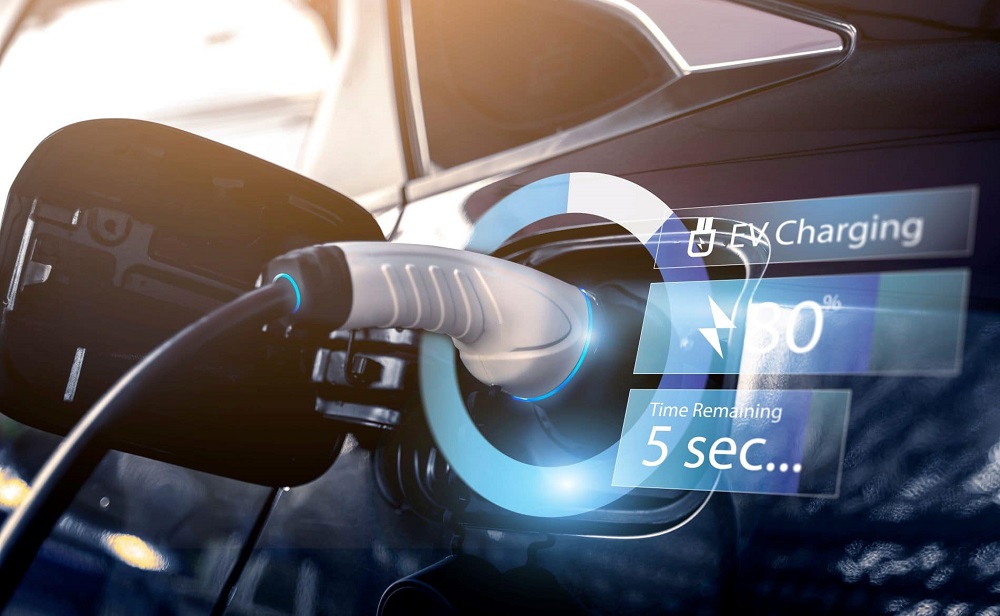

Electric vehicles (EVs) are no longer niche products aimed at early adopters. They are becoming central to global transportation strategies, driven by policy shifts, advancing battery science, and growing consumer demand. For drivers, the next decade will bring noticeable changes—not just in the cars themselves, but in how vehicles are charged, maintained, and integrated into daily life.
Rapid Advancements in Battery Technology
Battery innovation is shaping the future of EV ownership more than any other factor. Over the past decade, lithium-ion battery costs have dropped significantly while energy density has improved. What comes next will reshape expectations even further.
Solid-State Batteries on the Horizon
Solid-state batteries promise:
- Higher energy density (longer range)
- Faster charging times
- Improved safety due to non-flammable electrolytes
- Longer lifespan with fewer degradation issues
While large-scale commercialization is still developing, several manufacturers are targeting limited production before the end of the decade. Once widely adopted, drivers may see ranges exceeding 500–700 miles per charge as a mainstream standard.
Longer Lifespan and Lower Degradation
Modern EV batteries are designed to last well beyond 100,000 miles. Improved thermal management systems and software-based battery optimization are reducing long-term degradation, easing concerns about resale value and replacement costs.
Charging Infrastructure Will Become Seamless
Range anxiety remains one of the most cited concerns among prospective buyers. However, charging networks are expanding rapidly across urban and highway corridors.
Ultra-Fast Charging
Next-generation DC fast chargers are capable of delivering 200–350 kW or more. In practical terms, this could mean:
- 10–15 minutes to add hundreds of miles of range
- Charging stops comparable to traditional fuel breaks
- Reduced downtime for commercial fleet vehicles
Home Charging Gets Smarter
Residential charging systems are evolving as well:
- Smart chargers optimize charging during off-peak electricity hours
- Integration with solar panels and home battery storage
- Bidirectional charging (Vehicle-to-Home or Vehicle-to-Grid) enabling cars to supply power back during outages
This transforms EVs from simple transportation devices into active components of the energy ecosystem.
Lower Ownership Costs Over Time
While upfront prices remain higher than many internal combustion vehicles, total cost of ownership continues to favor EVs.
Reduced Maintenance
Electric vehicles have:
- Fewer moving parts
- No oil changes
- Less brake wear due to regenerative braking
- Fewer transmission-related repairs
These factors contribute to long-term savings, especially for high-mileage drivers.
Energy Efficiency Advantages
Electric drivetrains convert a significantly higher percentage of energy into motion compared to gasoline engines. As renewable energy sources expand, operating costs may continue to decline.
Software-Driven Vehicles
The next generation of EVs will be defined not only by hardware but by software.
Over-the-Air Updates
Many manufacturers already offer remote software updates, enabling vehicles to receive:
- Performance improvements
- Range optimizations
- Safety enhancements
- New features without dealership visits
This model turns vehicles into evolving platforms rather than static products.
Advanced Driver Assistance and Autonomy
Electric platforms are well-suited to autonomous systems due to their centralized electronic architectures. Expect:
- More sophisticated driver assistance features
- Improved sensor integration
- Gradual increases in automated driving capabilities
Regulatory frameworks will ultimately shape how quickly full autonomy becomes widespread.
Expanded Model Choices
Consumers will benefit from a broader range of EV options across nearly every vehicle category.
More Segments, More Affordability
The market is expanding to include:
- Compact urban vehicles
- Family SUVs
- Pickup trucks
- Luxury performance models
- Commercial vans and delivery fleets
As economies of scale improve, pricing is expected to become more competitive with conventional vehicles.
Environmental Impact and Sustainability
The environmental narrative around EVs continues to evolve. While production—especially battery manufacturing—has a carbon footprint, lifecycle emissions are generally lower than those of gasoline vehicles.
Greener Manufacturing
Automakers are investing in:
- Battery recycling technologies
- Ethical sourcing of raw materials
- Renewable-powered production facilities
Closed-loop recycling systems will likely reduce dependence on newly mined materials in the future.
What Drivers Should Prepare For
The transition to electric mobility is accelerating. Drivers can expect:
- Gradual standardization of charging connectors
- Increased availability of public charging points
- Enhanced battery warranties
- Greater integration between vehicles and smart homes
- Continued improvements in driving range and charging speed
For many consumers, the shift will feel evolutionary rather than disruptive.
FAQ
1. Will electric vehicles completely replace gasoline cars?
A full replacement is unlikely in the short term. Many regions will continue using hybrid and internal combustion vehicles for years, especially in areas with limited charging infrastructure.
2. How long does an EV battery typically last?
Most modern EV batteries are designed to last 8–15 years or more, with warranties often covering 8 years or 100,000 miles.
3. Are electric vehicles safe in extreme weather?
Yes. However, cold temperatures can temporarily reduce driving range. Manufacturers continue improving thermal management systems to minimize performance loss.
4. What happens to EV batteries after they degrade?
Used batteries can be repurposed for stationary energy storage or recycled to recover valuable materials like lithium, cobalt, and nickel.
5. Is the power grid ready for widespread EV adoption?
Many regions are upgrading grid infrastructure. Smart charging and off-peak scheduling will help balance electricity demand as EV adoption grows.
6. Will charging stations become as common as gas stations?
In urban areas and along major highways, charging points are expanding rapidly. The model may differ from traditional fueling, with more emphasis on home and workplace charging.
7. Are electric vehicles suitable for long road trips?
With expanding fast-charging networks and increasing battery range, long-distance travel is becoming more practical and convenient than ever before.

Comments are closed.