
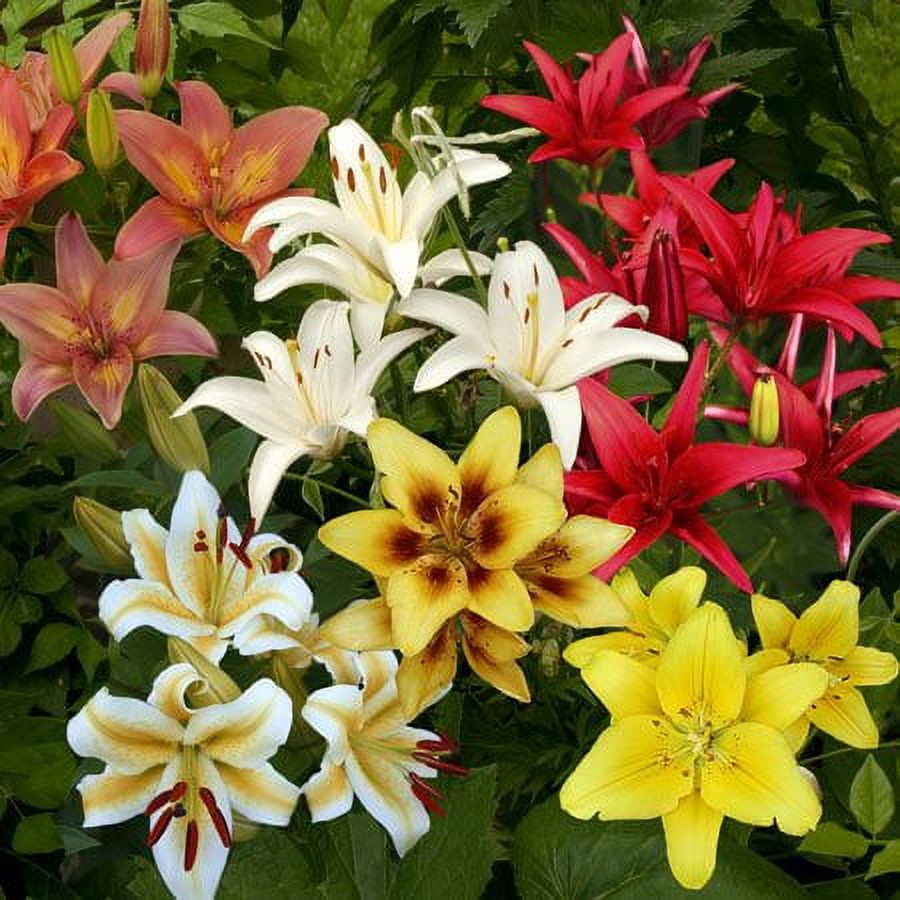

Purchasing plants online has become a practical choice for many gardeners in the United Kingdom, offering access to a wider selection than local nurseries often provide. Daylilies, known scientifically as Hemerocallis, stand out for their resilience and capacity to thrive in a range of British soils and climates, from the damp conditions of the northwest to the drier east. These perennials produce striking blooms that return year after year with minimal fuss, making them a sensible addition to borders, pots, or even wilder garden edges. However, the shift to digital marketplaces introduces specific considerations, particularly when ordering live specimens that must endure transit and adapt to new environments.
Before committing to an order, it pays to evaluate several factors to ensure the plants arrive healthy and perform as expected. This article outlines five essential aspects to consider, drawing on established horticultural practices tailored to the UK context. Among these, understanding the nuances of online listings can prevent disappointments, such as mismatched expectations on bloom size or hardiness ratings. When searching for daylily plants for sale online, prioritising sellers with transparent details enhances the likelihood of success.
SwallowtailDaylilies, which is also a leading UK grower of these plants, emphasises the importance of selecting varieties suited to local conditions: “Opt for cultivars with proven tolerance to our variable weather, as this ensures robust establishment without excessive intervention.” For a comprehensive range of such options, explore daylily varieties. This guidance underscores the value of informed choices in building a lasting garden feature.
1. Evaluate the Diversity of Varieties Available
Daylilies encompass thousands of registered cultivars, each with distinct characteristics that influence their suitability for different garden settings. In the UK, where growing seasons can be unpredictable, focusing on variety selection forms the foundation of a successful purchase. Online sellers typically categorise offerings by flower colour, size, and bloom time, allowing buyers to curate collections that provide sequential flowering from early spring through to autumn frosts.
Consider the petal structure first: single-flowered types offer simplicity and elegance, ideal for naturalistic plantings, while double or spider forms add drama and texture. Colours range from subtle pastels—soft yellows and pinks that complement cottage gardens—to bolder hues like deep reds and near-blacks, which hold their own in modern designs. For instance, varieties such as ‘Stella de Oro’ deliver compact, repeat-blooming yellow flowers, perfect for smaller urban plots, whereas larger specimens like ‘Hyperion’ suit open borders with their graceful, fragrant trumpets.
Bloom duration matters equally. Most daylilies open one flower per scape daily, but reblooming types extend the display, a boon in our shorter summers. Check listings for details on season: early, mid, or late—mixing these ensures a prolonged spectacle without bare patches. Hardiness is non-negotiable; all Hemerocallis are rated H7 by the Royal Horticultural Society, surviving down to -20°C, but some excel in heavy clay or exposed sites. Online descriptions should specify parentage or awards, such as those from the American Hemerocallis Society, to gauge reliability.
Sellers may highlight tetraploid versus diploid forms; tetraploids boast thicker petals and larger blooms, often more vibrant in dull light. Yet, avoid overwhelming choices by starting with three to five plants, assessing performance before expanding. Reputable sites provide filters for these traits, streamlining the process. In essence, a thoughtful review of variety details aligns purchases with your garden’s scale, soil pH (ideally 6.0-7.0), and sunlight exposure—full sun for best results, though partial shade works in hotter southern counties. This approach not only maximises aesthetic impact but also minimises replacement costs over time.
Beyond aesthetics, think ecologically: certain daylilies attract pollinators, supporting biodiversity in domestic spaces. ‘Pardon Me’ miniatures, for example, draw bees with their crimson flares. By prioritising such attributes, online buying transforms into a strategic enhancement of your outdoor environment, yielding dividends in both beauty and sustainability.
2. Scrutinise Plant Quality Indicators in Listings
Online images and text serve as proxies for physical inspection, so discerning quality requires a critical eye. Daylilies sold as bare-root or potted should exhibit signs of vigour, such as multiple fans of healthy foliage and evidence of prior blooms. Listings featuring close-up photographs of leaves—glossy, strap-like, and free from spots or yellowing—signal robust stock. Beware of generic stock images; authentic sellers showcase their own plants, often in situ, to demonstrate scale and colour accuracy under natural light.
Root health underpins establishment, yet it’s rarely visible. Seek descriptions mentioning well-developed rhizomes or, for potted plants, a balanced root-to-shoot ratio. UK regulations mandate plants be free from pests like aphids or daylily rust (Puccinia hemerocallis), so confirm compliance with Plant Health England standards. Sellers should note treatments or inspections, reducing quarantine risks post-Brexit.
Size matters: mature divisions (at least two years old) transplant better than young seedlings, which may take a season to flower. Pricing reflects this—expect £5-£15 per plant— but value lies in condition, not cost. Look for guarantees: a 30-day healthy arrival policy is standard, with options for refunds or replacements. Some vendors include care instructions upon dispatch, aiding immediate potting.
In the UK, seasonal timing affects quality; spring shipments (March-May) suit establishment before summer heat, while autumn (September-October) leverages cooler soils for root growth. Avoid mid-winter orders unless specified as dormant. Cross-reference reviews for consistency: consistent praise for arrival state trumps isolated positives.
Ultimately, quality scrutiny ensures plants contribute to a thriving garden rather than a trial-and-error exercise. By focusing on these markers, buyers secure specimens poised for immediate impact, fostering long-term satisfaction in their horticultural endeavours.
3. Investigate Seller Credentials and Customer Feedback
Trust in online transactions hinges on the seller’s track record, particularly for perishable goods like plants. In the UK, verify accreditation with bodies such as the Horticultural Trades Association or membership in the Daylily Society. These affiliations indicate adherence to ethical standards, including accurate labelling and sustainable sourcing—many daylilies are propagated in-house to preserve cultivars.
Customer feedback provides unfiltered insights. Platforms like Trustpilot or dedicated forums reveal patterns: prompt dispatch, packaging integrity, and post-sale support. Seek UK-based sellers to minimise customs delays and ensure familiarity with regional climates; imports from the US, while diverse, face longer journeys and potential acclimatisation issues.
Payment security follows: opt for sites with SSL encryption and options like PayPal for buyer protection. Read terms on refunds—vague policies warrant caution. Volume of reviews matters; a seller with hundreds of verified purchases outweighs one with sparse, glowing testimonials that may seem curated.
Engagement levels count too: responsive queries via email or chat demonstrate commitment. Questions about specific varieties or soil amendments should elicit detailed replies, reflecting expertise.
For daylilies, specialist nurseries often outperform generalists, offering nuanced advice on companions like hostas or salvias. This expertise translates to healthier deliveries and tailored recommendations, enhancing garden cohesion.
By prioritising credentialed sellers with solid feedback, purchases become reliable investments, sidestepping the pitfalls of impersonal e-commerce.
4. Account for Shipping Logistics and UK-Specific Challenges
Delivery logistics can make or break plant viability, especially across the UK’s varied terrain. Standard couriers like Royal Mail or DPD handle most orders, but plants require insulated, ventilated packaging to buffer temperature swings—essential in our maritime climate prone to sudden chills or humid spells.
Timing aligns with dormancy cycles: avoid peak summer heat, when wilting risks rise, or deep winter freezes. Sellers often batch shipments weekly, notifying customers; trackable parcels with next-day options suit southern England, while two-day services cover Scotland or Wales adequately.
Costs vary—£5-£10 for mainland UK—but remote areas like the Isles may incur surcharges. Post-Brexit, EU sellers face added paperwork, potentially delaying orders; domestic sources streamline this.
Upon arrival, inspect promptly: unpack, mist foliage, and heel in temporarily if planting isn’t immediate. Most daylilies tolerate short delays, but prolonged exposure stresses roots.
Sustainability enters here: eco-friendly packaging, like recyclable materials, appeals to environmentally conscious buyers. Some vendors offset carbon from transport, aligning with UK gardening’s green ethos.
Navigating these elements ensures plants arrive primed for planting, turning potential disruptions into seamless additions to your landscape.
5. Prepare for Post-Purchase Care and Garden Placement
Integration begins before planting, with site preparation key to daylily success. These perennials prefer fertile, well-drained loam, amended with compost if your soil is sandy or compacted—common in parts of the Midlands. Test pH; neutral to slightly alkaline suits most, but acid-lovers like ‘Canadian Border Patrol’ thrive in western peaty grounds.
Plant at the same depth as in pots, spacing 45-60cm apart for air circulation, reducing fungal risks in damp autumns. Water deeply post-planting, then moderately; daylilies drought-tolerate once established, conserving rainwater in dry spells.
Fertilisation follows: a balanced NPK (10-10-10) in spring boosts foliage, shifting to phosphorus-rich for blooms. Mulch suppresses weeds and retains moisture, vital in exposed coastal gardens.
Pest management is straightforward: slugs favour tender shoots, so use barriers or nematodes. Divide clumps every 3-5 years to maintain vigour, a bonus for propagation.
Companion planting enhances: pair with ferns for shade tolerance or roses for structure. In containers, use John Innes No.3 compost for stability.
Monitoring first-year performance informs future buys, refining your online selections. This preparation cements daylilies as low-maintenance staples, rewarding foresight with enduring garden presence.
In summary, approaching online daylily acquisitions with attention to varieties, quality cues, seller reliability, logistics, and care yields a garden enriched without undue hassle. These perennials, adaptable to Britain’s diverse conditions, offer enduring value when chosen wisely. As interest in resilient planting grows, informed online shopping positions gardeners to cultivate spaces of quiet accomplishment.

Comments are closed.