

Dental veneers represent a practical option for those seeking to address imperfections in their teeth and achieve a more uniform appearance. In London, where access to specialised dental services is readily available, veneers are frequently chosen by those aiming to improve their smile without extensive intervention. This treatment involves applying thin shells to the front surface of teeth, offering a durable and aesthetically pleasing result. Understanding the key elements of veneers can help potential patients make informed decisions, particularly when consulting a cosmetic dentist London provides with expertise in this area. The following sections outline seven important considerations, from the basics of what veneers entail to their long-term care, ensuring a comprehensive overview for anyone exploring this cosmetic procedure.
Professional input from specialists can provide valuable guidance on veneers. Dr Sahil Patel of MaryleboneSmileClinic shares this advice: “Veneers in London offer a reliable way to enhance the shape and colour of teeth, but patients should prioritise a thorough assessment to ensure suitability. Maintaining oral health before and after the procedure is essential for optimal outcomes. For further details on personalised veneer treatments, visit this site to explore our services and schedule a consultation.”
What Are Dental Veneers?
Dental veneers are custom-designed coverings placed over the front of teeth to correct various cosmetic issues. Typically made from materials that mimic the natural enamel, they serve to conceal discolourations, chips, or gaps, resulting in a straighter and brighter smile. In the context of cosmetic dentistry, veneers have gained popularity due to their ability to deliver noticeable improvements with minimal alteration to the underlying tooth structure. For residents in London, where daily life often involves professional and social interactions, veneers can boost confidence by addressing common concerns like uneven teeth or stains from lifestyle factors such as coffee consumption or smoking.
The idea of veneers goes back many years, from the first plastic veneers to more modern ceramic veneers that are stronger and look more natural. Crowns cover the whole tooth, but veneers only cover the exposed part. This means that more of the original tooth is kept. Because of this, they are a better choice for people who don’t need to fix the structure. People who have veneers often say that they feel relaxed and blend in perfectly with their natural teeth, so they can eat and speak normally. But it’s important to remember that veneers aren’t right for everyone. People with serious cavities or gum disease may need to get treatments first. London has a lot of different dentists, so choosing one who is skilled in placing veneers is important to make sure that the process fits your needs and that you are happy with the outcome.
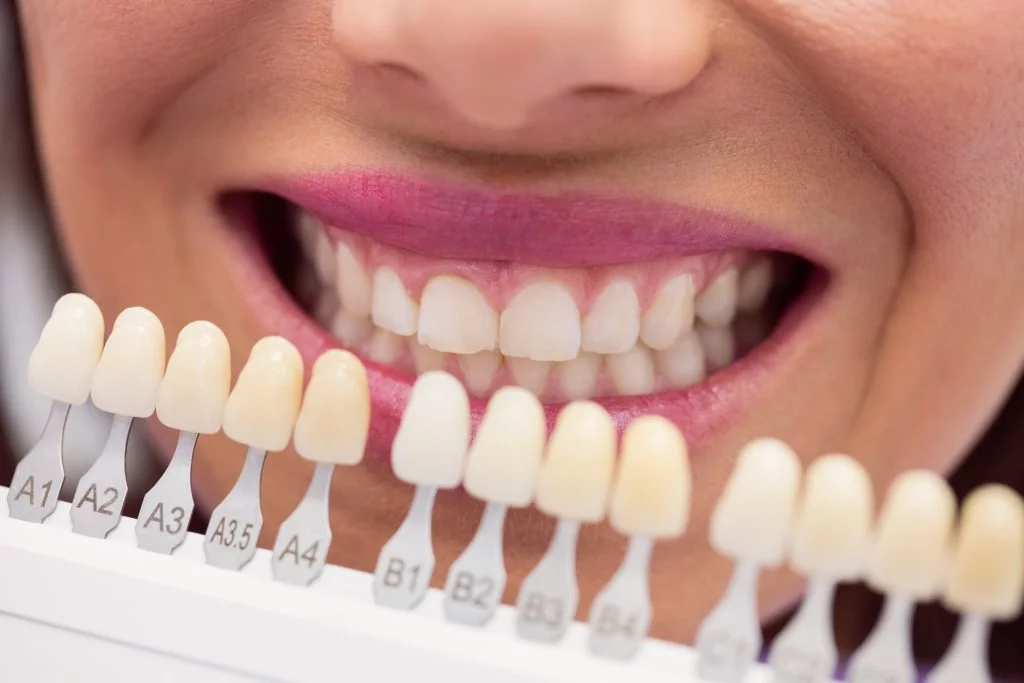
Furthermore, veneers can be tailored to match the patient’s facial features and skin tone, ensuring a harmonious appearance. Dentists use shade guides and digital imaging to preview outcomes, helping patients visualise the changes. This personalised approach is particularly beneficial in a city like London, where aesthetic expectations are high. Overall, veneers represent a versatile tool in modern dentistry, bridging the gap between functional oral health and cosmetic enhancement.
Types of Veneers Available
There are different kinds of veneers, and each one is good for different tastes and budgets. Porcelain veneers, which are often thought of as the best, are made of high-quality clay that doesn’t stain and has the same clear look as natural teeth. Based on moulds, these are made in a lab to make sure they fit perfectly. Composite resin veneers, on the other hand, are put on directly in the dentist chair using a bonding material. This makes them a faster and less expensive choice. They might not last as long as china, but if they get broken, they are easy to fix.
No-prep or minimal-prep veneers require little to no enamel removal, appealing to those wary of altering their teeth permanently. Brands like Lumineers fall into this category, providing a reversible alternative in some cases. Palatal veneers, less common, are used on the inner surface of upper teeth to address wear from habits like grinding. Removable veneers, sometimes called snap-on smiles, offer a temporary solution for special occasions but lack the durability of fixed options.
In London, where access to advanced materials is widespread, patients can choose based on factors like longevity and cost. Porcelain typically endures 10 to 15 years, while composite lasts five to seven. Dentists assess oral health to recommend the most appropriate type, considering aspects such as bite alignment and enamel thickness. This variety allows for customisation, ensuring veneers meet both aesthetic and practical requirements. For instance, busy professionals might opt for durable porcelain to minimise future visits, while others prefer the immediacy of composite for minor adjustments.
The Veneer Application Process
The process of applying veneers generally spans two to three appointments, beginning with a consultation to evaluate suitability. During this initial visit, the dentist examines the teeth, discusses goals, and may take X-rays or impressions. If proceeding, the next step involves preparing the teeth by removing a thin layer of enamel—typically 0.5 to 1 millimetre—to accommodate the veneer. Local anaesthesia ensures comfort, and temporary veneers may be placed to protect the prepared surfaces.
Impressions are then sent to a laboratory for custom fabrication, which can take one to two weeks. In the interim, patients are advised to avoid hard foods to prevent discomfort. At the final appointment, the dentist checks the fit and colour, making adjustments as needed before bonding the veneers with a special cement. Ultraviolet light activates the adhesive, securing the shells in place. A follow-up visit often occurs to confirm everything has settled correctly.
In London’s dental practices, digital technology like CAD/CAM systems can expedite the process, sometimes allowing same-day veneers. This efficiency suits those with demanding schedules. Patients should expect some sensitivity post-procedure, which usually subsides within days. Understanding each step helps manage expectations, ensuring a smooth experience from consultation to completion.
Benefits of Getting Veneers
Veneers provide numerous advantages, primarily in enhancing smile aesthetics. They effectively mask stains that whitening treatments cannot address, such as those from medications or fluorosis. By covering chips or cracks, veneers restore a smooth, even appearance, potentially preventing further damage. Their stain-resistant properties maintain brightness over time, especially with porcelain options.
Beyond cosmetics, veneers can improve minor alignment issues without the need for orthodontics, offering a faster alternative for adults. They also protect weakened enamel, adding a layer of durability. Many patients experience increased self-esteem, as a refined smile can positively impact personal and professional interactions. In a city like London, where first impressions matter, this boost can be particularly valuable.
Durability is another key benefit; with proper care, veneers withstand daily wear, allowing normal consumption of most foods. The procedure is relatively conservative compared to crowns, preserving more natural tooth structure. Overall, veneers offer a balanced solution for those seeking long-lasting improvements in dental appearance and function.
Potential Drawbacks and Risks
While veneers are generally safe, they carry certain risks. The enamel removal is irreversible, meaning teeth remain altered even if veneers are replaced. Sensitivity to hot or cold may occur initially, though this often diminishes. There’s a small chance of veneers chipping or debonding, requiring repairs.
If oral hygiene lapses, decay can develop beneath veneers, leading to more complex treatments. Not all teeth are ideal candidates; those with insufficient enamel or active disease may not support veneers well. Cost is a consideration, as insurance rarely covers cosmetic procedures. In rare cases, improper placement can affect bite alignment, causing discomfort.
Patients in London should discuss these risks with their dentist to weigh against benefits. Regular check-ups mitigate issues, but awareness of potential complications ensures realistic expectations.
Cost Considerations in London
Costs for veneers in London vary, influenced by material, clinic location, and dentist expertise. Porcelain veneers typically range from £800 to £1,200 per tooth, while composite options start at £150 to £400. A full set for the upper arch might total £4,000 to £9,000, depending on the number involved. Factors like laboratory fees and advanced techniques can increase expenses.
Many clinics offer payment plans or financing to make treatment accessible. Comparing quotes from reputable providers is advisable, as lower prices may indicate compromised quality. In central areas like Harley Street, fees reflect specialised services, but suburban practices might offer competitive rates. When selecting a cosmetic dentist London has to offer, prioritising experience over cost ensures value.
Additional expenses include consultations, often £50 to £100, and maintenance visits. Long-term savings arise from veneers’ durability, reducing the need for frequent interventions. Researching options helps budget effectively for this investment in oral aesthetics.
Maintenance and Longevity
Maintaining veneers involves routine oral hygiene practices similar to natural teeth. Brushing twice daily with a soft-bristled toothbrush and non-abrasive toothpaste prevents plaque build-up. Flossing removes debris between teeth, while mouthwash can enhance freshness. Avoiding hard foods like ice or nuts minimises chipping risks.
Regular dental visits—every six months—are crucial for professional cleanings and inspections. Dentists can polish veneers and address any issues early. Steering clear of staining substances, such as red wine or tobacco, preserves colour, though porcelain resists discolouration well.
With diligent care, veneers can last 10 to 15 years or more. Factors like grinding habits may necessitate a night guard to protect them. In London’s fast-paced environment, incorporating these habits ensures veneers remain effective, supporting overall dental health.
In summary, veneers provide a viable path to an improved smile, with considerations spanning types, process, and upkeep. For those in London, accessing qualified professionals facilitates achieving desired results while maintaining oral well-being.

Comments are closed.